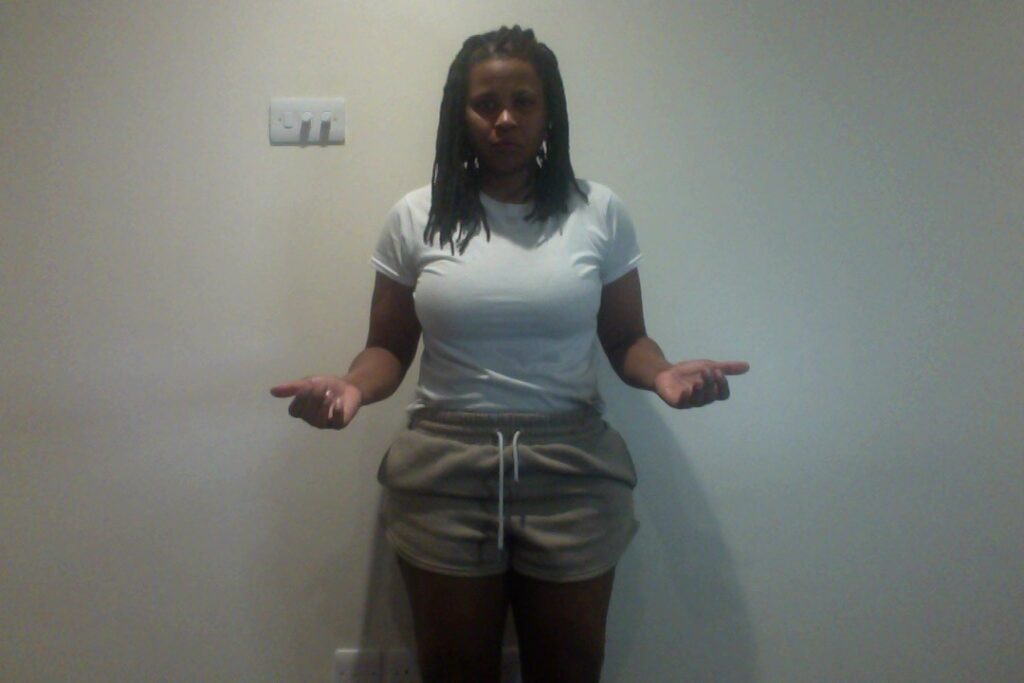
Welcome February 01 2026… Would have been great to not be waken with banter about “partial” shutdowns from banks from the skyline… But still festive, happy and fruitful morning it is.
I got a toothbrush from the store the other week and the brand is… “Wisdom”… I feel so much better about my oral hygiene. Brushing my teeth with Wisdom daily…
So i was plugged into the thoughts from the book “the magic of thinking big” … And felt like sharing my thoughts on how the power of thinking, sharing, projecting… is.
Believing in the power of thinking and writing good things—clear, hopeful, intentional thoughts—helps with reflection and forecasting because it actively shapes how the mind processes reality, time, and possibility.
First, it sharpens reflection. When you write with the belief that your thoughts matter, you slow down and make the invisible visible. Patterns emerge: what you fear, what you value, what keeps repeating. Writing “good” things doesn’t mean ignoring problems; it means approaching them with agency rather than resignation. That mindset makes reflection honest but constructive—you’re not just replaying the past, you’re extracting meaning from it.
Second, it improves forecasting by training attention. The future isn’t predicted in a vacuum; it’s inferred from signals in the present. When you believe your thinking has power, you become more attentive to cause and effect: If I act this way, what tends to follow? Writing intentions and positive projections forces you to articulate assumptions about how the world works. Once assumptions are on paper, they can be tested, refined, or corrected—making your sense of “what’s coming” more grounded, not more magical.
Third, it primes behavior, which quietly shapes outcomes. Belief influences action. When you repeatedly think and write about constructive outcomes—growth, connection, competence—you’re more likely to notice opportunities aligned with them and take small steps in that direction. Over time, those steps compound. The forecast starts influencing the weather, so to speak.
Finally, it builds psychological resilience. Reflection without hope can turn into rumination; forecasting without belief can become anxiety. Writing powerful, good things creates a buffer—it reminds you that the future is not just something that happens to you, but something you partially participate in. That sense of participation makes uncertainty feel navigable instead of threatening.
Believing in the power of your thoughts and words makes reflection more meaningful, forecasting more intentional, and the future feel less like fate and more like a conversation you’re already part of.